American Olympic Athlete Reintroduces a Long-Banned 1977 Technique, Stunning the Crowd

The Milan–Cortina Winter Games delivered a wide range of unforgettable moments that reminded fans across the globe why the Olympic Games remain one of the most compelling and emotionally powerful sporting events in the world.
From moments of breathtaking athletic creativity to instances that tested the values of discipline and sportsmanship, the Games once again demonstrated the full spectrum of human performance under pressure.
At their core, the Winter Olympics are not only a showcase of medals and records, but a living narrative of ambition, risk, resilience, and responsibility.
Each competition carries the weight of years of preparation, sacrifice, and expectation, and it is within these moments that the Olympics reveal their enduring significance.
A Performance That Blended Skill and History
Among the many highlights of the Games, one performance stood out for its rare combination of technical mastery and historical symbolism.
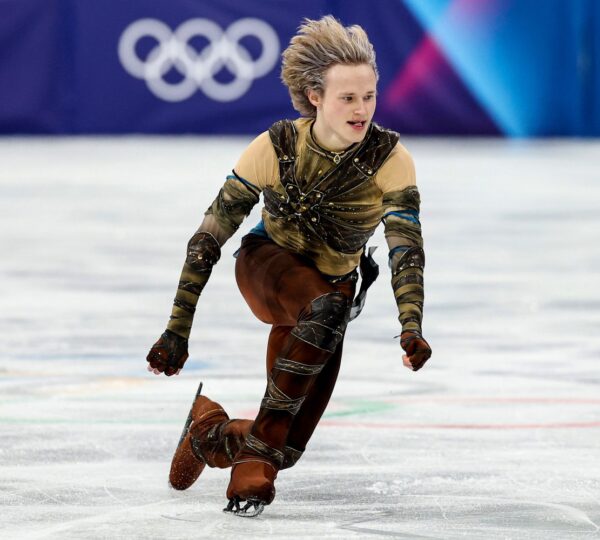
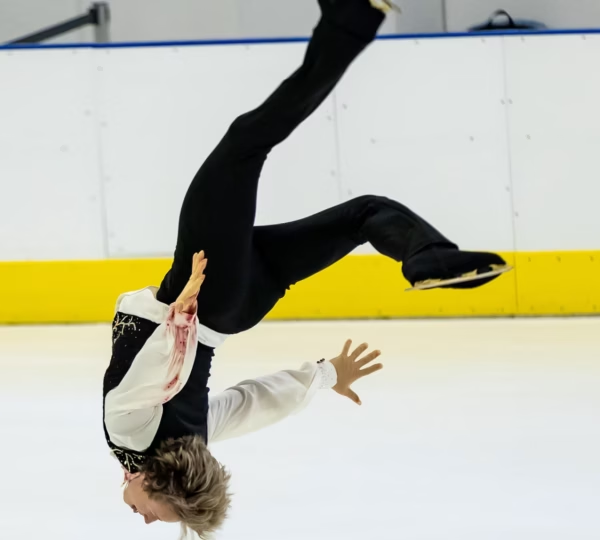
American figure skater Ilia Malinin electrified the crowd during the team event by successfully landing a backflip—an element that had been absent from Olympic competition for decades.
As Malinin took to the ice, anticipation was already high. Known for his athletic approach and innovative skating style, he entered the program with confidence and focus.
When he launched into the air and completed the backflip cleanly, the arena erupted. The crowd’s reaction reflected more than excitement; it was recognition of a moment that bridged past and present in the sport.
The backflip has a long and complicated history in figure skating. Once considered a thrilling display of athleticism, the move was banned following concerns over safety, as its execution involves significant risk.
The last legally permitted Olympic backflip dated back to the 1970s, after which the maneuver was removed from sanctioned competition. For decades, skaters limited such elements to exhibition performances, where creativity could be explored without regulatory restrictions.
A Rule Change and a Return to Innovation
The recent rule change allowing the backflip to return to competitive programs represented a shift in how the sport balances athletic innovation with safety. Advances in training, conditioning, and technique played a role in reassessing what could be responsibly included at the elite level.
For Malinin, the updated rules offered an opportunity to express his creativity on one of the sport’s biggest stages. While his overall placement in the event resulted in a second-place finish, the impact of his performance extended far beyond the final standings.
Clips of the backflip quickly circulated worldwide, sparking conversation among fans, commentators, and former athletes alike.
The moment became one of the most talked-about highlights of the Games, illustrating how a single performance can redefine a competition’s legacy.
It also served as a reminder that figure skating, while deeply rooted in tradition, continues to evolve as athletes push the boundaries of what is possible.
Discipline and Sportsmanship Under the Spotlight
While moments of brilliance captured the imagination of audiences, the Games also delivered reminders of the discipline and composure expected from Olympians.
In a separate competition, a high-profile judo match concluded with controversy after emotions escalated following a decisive bout.
Judo, a sport grounded in respect, control, and honor, places as much emphasis on conduct as it does on technique.
When tensions boiled over, officials moved swiftly to intervene, ensuring the situation did not escalate further. Subsequent disciplinary action was confirmed, reinforcing the sport’s long-standing values.
The incident drew attention not because of the result itself, but because it underscored a central Olympic principle: competition must be conducted with respect for opponents, officials, and the rules of the sport.
Even in moments of intense pressure and personal disappointment, athletes are expected to uphold standards that reflect the spirit of the Games.
The Olympic Standard Beyond Victory
This episode served as a powerful reminder that Olympic competition is not solely about winning medals. Athletes are ambassadors of their disciplines and their nations, and their behavior carries influence far beyond the competition area.
Moments like these often spark broader conversations about emotional control, accountability, and the responsibility that comes with competing on a global stage.
The swift response from officials reinforced the idea that while passion is an essential part of sport, it must be balanced with respect and restraint.
For viewers, such moments provide insight into the mental challenges athletes face. Years of training can culminate in a single match or performance, and managing disappointment is as much a test of character as any physical contest.
A Sobering Reminder of Risk and Resilience
The Games also carried moments of concern, highlighting the physical risks inherent in elite winter sports. During a downhill skiing event, a decorated American skier suffered a serious crash, bringing a sudden hush over the competition.
Medical teams responded immediately, demonstrating the preparedness and professionalism that underpin Olympic safety protocols.
The athlete was transported for further evaluation as fellow competitors, officials, and fans expressed visible concern and support.
Downhill skiing is among the most demanding and dangerous Olympic disciplines, requiring extraordinary courage, precision, and physical control at high speeds. Incidents like this serve as sobering reminders of the risks athletes accept in pursuit of excellence.
The Human Cost of Elite Competition
While the Olympics celebrate peak performance, they also reveal the vulnerability of the human body under extreme conditions.
Every race, jump, and descent carries the possibility of injury, and athletes must weigh that reality against their lifelong aspirations.
The response from fans and competitors alike highlighted the sense of solidarity that defines the Olympic community. Regardless of nationality or rivalry, moments of injury often unite the sporting world in shared concern and respect.
Such incidents also emphasize the resilience required to compete at the highest level. Recovery—both physical and mental—is an integral part of an athlete’s journey, and the courage to return after setbacks often defines careers as much as medals do.
A Tapestry of Triumph, Tension, and Perseverance
Taken together, these moments—innovation in figure skating, controversy in judo, and resilience in alpine skiing—illustrate the complexity and depth of the Winter Games.
They remind audiences that the Olympics are not a single story, but a collection of intersecting narratives that reflect the full range of human experience.
Triumph captures attention, but adversity reveals character. Discipline reinforces credibility, while perseverance inspires connection. It is this balance that allows the Games to resonate far beyond the competition venues.
Why the Winter Games Continue to Matter
The enduring appeal of the Olympics lies in their ability to combine spectacle with substance. Each edition of the Games offers new stories while reinforcing timeless values: dedication, respect, courage, and unity through sport.
Fans return not only to witness record-breaking performances, but to feel connected to moments that transcend results.
Whether through a daring athletic risk, a lesson in sportsmanship, or a collective expression of concern and support, the Olympics continue to offer meaning in an ever-changing world.
As the Milan–Cortina Winter Games progressed, these defining moments became part of a larger narrative—one that extended beyond podium ceremonies and medal counts.
They reminded audiences that sport, at its highest level, reflects both the heights of human potential and the responsibilities that come with it.
Beyond the Medal Podium
In the end, the true legacy of the Games is shaped not only by champions, but by the stories that linger long after the events conclude.
Stories of courage under pressure. Stories of accountability and growth. Stories of resilience in the face of uncertainty.
These are the moments that keep the Olympic spirit alive, ensuring that the Games remain more than a competition.
They remain a shared global experience—one that continues to inspire, challenge, and unite people across cultures and generations.
